Benefits of using Metal Castings in construction and engineering
Wiki Article
The Importance of Aluminum Foundry beforehand Industrial Production Techniques
The Aluminum Foundry plays a crucial function in the advancement of commercial manufacturing techniques. Its light-weight homes and adaptability make Aluminum a perfect choice for different applications. Advanced casting techniques, including die spreading and 3D printing, enable detailed layouts and mass manufacturing. As the industry changes towards automation and sustainability, inquiries arise about the future trajectory of Aluminum factories and their effect on making effectiveness. What advancements and difficulties lie in advance?The Duty of Aluminum in Modern Production
Aluminum plays an essential function in modern-day manufacturing because of its unique residential or commercial properties and adaptability. As a lightweight steel, it notably minimizes the general weight of products, boosting fuel efficiency in transport and aerospace sectors. Its superb deterioration resistance guarantees durability and dependability, making it perfect for different applications, from automotive parts to developing materials. Aluminum's pliability allows it to be conveniently formed right into intricate styles, promoting innovative item growth. Additionally, its conductivity makes it ideal for electrical applications, adding to advancements in electronics and renewable resource innovations. The flexibility of Aluminum also reaches its recyclability, which adds to lasting production techniques. As industries proceed to focus on performance and environmental obligation, Aluminum remains a crucial material, promoting technology and enhancing production procedures throughout numerous industries. Its role is not just useful; it is fundamental to the advancement of modern industrial techniques.Secret Advantages of Aluminum Casting
The advantages of Aluminum casting are significant, contributing to its appeal in numerous commercial applications. One key advantage is the lightweight nature of aluminum, which reduces transportation prices and enhances fuel efficiency in automotive and aerospace sectors. Additionally, aluminum's outstanding rust resistance extends the life expectancy of cast elements, making them perfect for aquatic and outside atmospheres.Furthermore, Aluminum casting allows for intricate geometries and elaborate designs, supplying makers with better flexibility in product development - Wisconsin Aluminum Foundry. The product also exhibits excellent thermal and electric conductivity, making it ideal for a variety of electronic applications
One more advantage is the rapid solidification procedure, which brings about finer microstructures and improved mechanical properties. Furthermore, Aluminum can be reused consistently without losing its integral qualities, advertising sustainability in manufacturing practices. These advantages highlight Aluminum spreading's critical function beforehand commercial production strategies while satisfying varied design demands.
Cutting-edge Casting Techniques and Technologies
Numerous innovative spreading strategies and innovations have actually arised to boost the performance and top quality of Aluminum manufacturing. Among these, pass away casting stands out as an approach that enables high-volume production of intricate forms with exceptional dimensional accuracy. This method makes use of high stress to inject molten Aluminum right into a mold and mildew, resulting in smooth surfaces and lowered demand for machining.One more notable improvement is the use of 3D printing for mold and mildews, which enables quick prototyping and reduces lead times significantly. This technology enables intricate designs that typical methods might have a hard time to achieve.
Furthermore, investment spreading proceeds to evolve, utilizing innovative products and procedures to produce accuracy parts. The adoption of computer simulations in the casting process has additionally boosted end results by predicting potential issues and enhancing mold layouts. Together, these advancements are transforming Aluminum shops, leading the way for much more effective production and exceptional item quality in numerous markets.
Environmental Effect and Sustainability in Aluminum Foundries
As sectors increasingly prioritize sustainability, the ecological influence of Aluminum factories has actually come under scrutiny. These facilities are substantial factors to greenhouse gas discharges and energy intake, largely due to the energy-intensive processes associated with melting and spreading light weight aluminum. The removal of bauxite, the primary ore, additional worsens ecological worries, resulting in habitat damage and contamination.In action to these difficulties, numerous Aluminum shops are taking on much more lasting methods (Aluminum Foundry). Developments such as recycling scrap Aluminum greatly reduce power usage and emissions, as recycling needs just a fraction of the power required for primary production. Additionally, the integration of sustainable energy resources, such as solar and wind power, is obtaining traction in factories aiming to lower their carbon footprint
Furthermore, innovations in innovations that minimize waste and enhance resource efficiency are becoming essential for the future of the Aluminum industry. These efforts highlight the shift in the direction of a much more lasting and eco liable strategy in Aluminum shops.
Applications of Aluminum Casting Throughout Industries
Aluminum spreading finds extensive application throughout varied industries, owing to its desirable residential properties such as lightweight, deterioration resistance, and outstanding machinability. In the auto market, manufacturers make use of Aluminum spreadings for engine parts, transmission housings, and architectural components, improving gas performance and performance. The aerospace sector take advantage of aluminum's strength-to-weight proportion, using it in aircraft structures and elements, which add to minimized total weight and enhanced gas economy.The consumer electronic devices market utilizes Aluminum spreadings for housings and chassis, combining aesthetic appeal with durability. In building, Aluminum spreadings are employed for home window structures, doors, and architectural aspects, giving both capability and design versatility. Additionally, the aquatic sector makes use of Aluminum casting for boat hulls and fittings, making certain resistance to deep sea deterioration. This convenience across numerous fields highlights Aluminum casting's vital duty in modern-day industrial applications, driving technology and performance.
Challenges Encountered by Aluminum Foundries
Aluminum factories experience considerable challenges in conference rigid environmental policies while preserving operational effectiveness. Additionally, a lack of proficient labor exacerbates these difficulties, preventing performance and innovation. Resolving these concerns is vital for the sustainability and growth of the Aluminum casting sector.Ecological Regulations Compliance
Although Aluminum factories play a necessary function in industrial production, they frequently encounter considerable difficulties in following ecological guidelines. These guidelines are designed to lessen air and water air pollution, waste generation, and energy consumption. Foundries typically have to purchase innovative innovations to meet stringent exhaust criteria and handle harmful products effectively. The costs associated with these upgrades can strain funds, especially for smaller sized operations. Furthermore, the intricacy of going across regulative structures can bring about compliance errors, leading to expensive fines. Continuous modifications in policies require foundries to adapt promptly, usually demanding continuous training and updates in operational methods. Balancing regulatory conformity with production performance continues to be an essential problem for the Aluminum Foundry sector.Knowledgeable Labor Lack
As the Aluminum Foundry sector proceeds to develop, a pushing difficulty has emerged: a proficient labor lack that threatens the industry's performance and growth. This scarcity is mainly sustained by an aging workforce and the lack of passion amongst more youthful generations in pursuing jobs in production. Lots of knowledgeable jobs need specific training and experience, which are increasingly hard to find. Aluminum factories have a hard time to preserve operational performance, leading to hold-ups and increased manufacturing prices. Efforts to draw in new talent through instruction programs and collaborations with schools are underway, yet these campaigns take some time to generate outcomes. Without a durable increase of experienced workers, the Aluminum Foundry market might face significant challenges in fulfilling the demands of contemporary commercial manufacturing.Future Patterns in Aluminum Foundry Manufacturing Techniques
The future of Aluminum Foundry production techniques is positioned to be substantially shaped by developments in automation and sustainable product developments. Automation is anticipated to boost effectiveness and accuracy in Foundry procedures, decreasing labor costs and minimizing human mistake (Metal Castings). At the same time, a growing emphasis on sustainability will drive the development of eco-friendly materials and practices, aligning the sector with worldwide environmental objectivesAutomation in Foundry Processes

Lasting Product Innovations
While the Aluminum Foundry industry embraces automation, an identical concentrate on lasting product innovations is reshaping manufacturing techniques for the future. Innovations in reusing processes are enabling factories to utilize post-consumer light weight aluminum, markedly decreasing energy intake and waste. In addition, the growth of eco-friendly additives and coatings is minimizing the ecological impact connected with standard materials. Developments in light-weight Aluminum alloys are improving performance while promoting sustainability, making items not just extra reliable but also less complicated to recycle at the end of their life cycle. As the industry adapts to stricter environmental regulations, these sustainable techniques are becoming crucial. Ultimately, the commitment to sustainable product developments in Aluminum shops will certainly drive enhanced performance while addressing worldwide ecological difficulties.Frequently Asked Questions
Exactly How Does Aluminum Contrast to Various Other Steels in Casting?
Aluminum offers benefits over other steels in casting, including lower melting points, superb fluidity, and resistance to rust. These residential or commercial properties make it possible for detailed layouts and faster manufacturing, making Aluminum a preferred choice for many industries.What Safety and security Steps Are in Location in Aluminum Foundries?
Precaution in Aluminum shops include safety equipment for employees, correct air flow systems, regular devices upkeep, fire avoidance procedures, and stringent adherence to security policies, making sure a safe and secure setting while decreasing the risk of injuries and crashes.Just How Are Aluminum Alloys Selected for Details Applications?
Aluminum alloys are chosen based upon mechanical properties, rust resistance, and thermal conductivity. Designers examine application needs, taking into consideration variables like weight, toughness, and environmental problems, making certain suitable performance for particular commercial or industrial uses.What Is the Average Lifespan of Aluminum Cast Products?
The typical lifespan of Aluminum actors products normally ranges from 20 to 50 years, relying on environmental elements, use conditions, and upkeep techniques. Correct care can substantially prolong their useful durability and performance efficiency.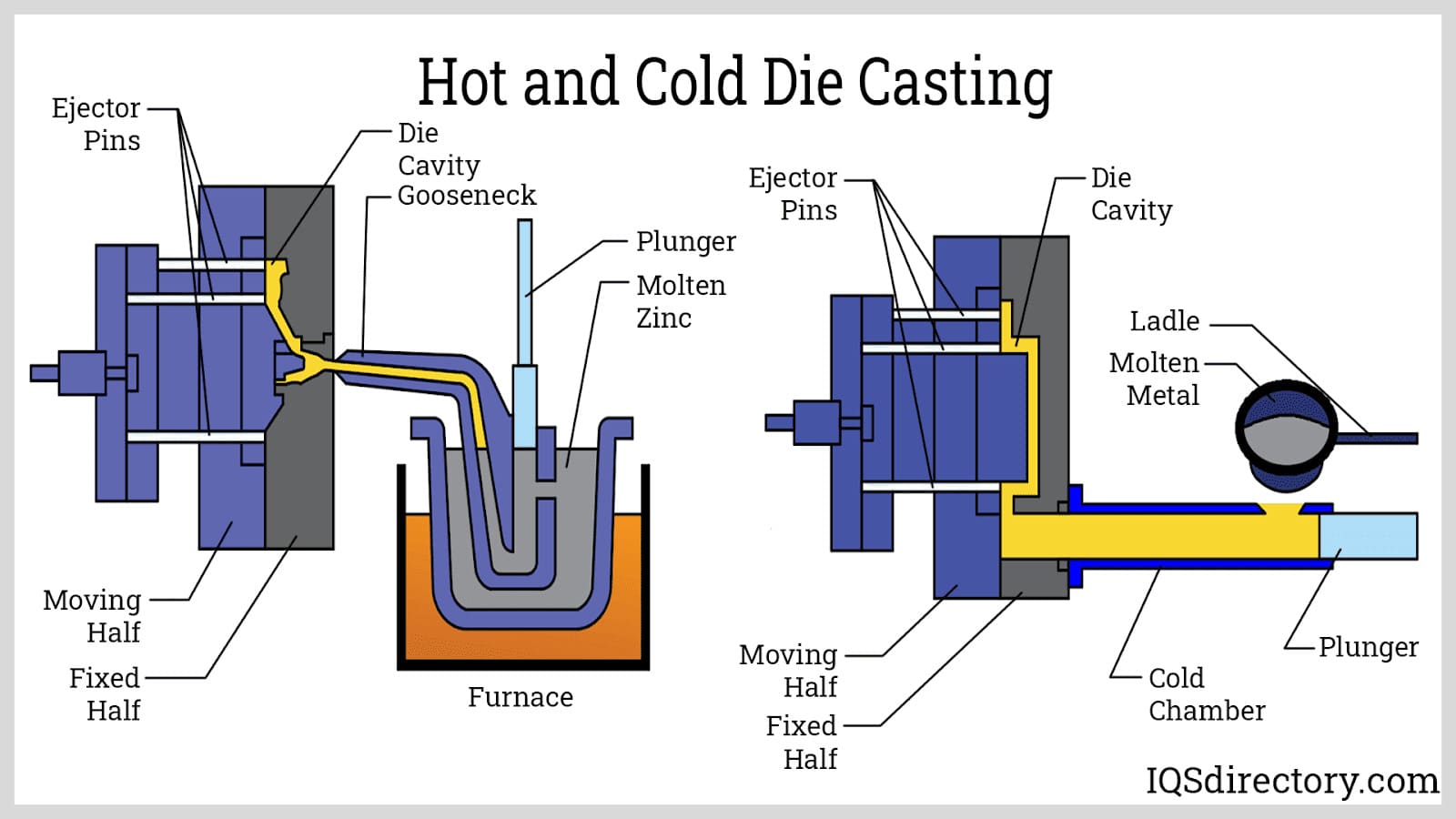
Are There Accreditations for Aluminum Foundry Processes?
Yes, there are qualifications for Aluminum Foundry processes, including ISO 9001 for top quality management systems and particular market standards like ASTM and SAE, which ensure adherence to high quality and security in Aluminum manufacturing and spreading.Aluminum foundries play an essential function in commercial manufacturing, they usually face considerable difficulties in abiding with ecological policies. Aluminum shops battle to keep operational effectiveness, leading to delays and enhanced production expenses. The future of Aluminum Foundry manufacturing techniques is positioned to be significantly shaped by improvements in automation and lasting product innovations. Increasingly, automation is forming the landscape of Aluminum Foundry manufacturing techniques, driving effectiveness and precision. While the Aluminum Foundry market embraces automation, a parallel focus on lasting product developments is improving manufacturing methods for the future.
Report this wiki page